REVIEWS OF HOTEL EXECUTIVE CLUB LOUNGES, KIDS CLUBS AND MORE.
As of today, most flights to and from Dubai are operating normally. Airlines are monitoring the situation closely, and cancellations are rare.
However, there are a couple of factors that can lead to flight cancellations that travellers should be aware of. Some of these factors include:
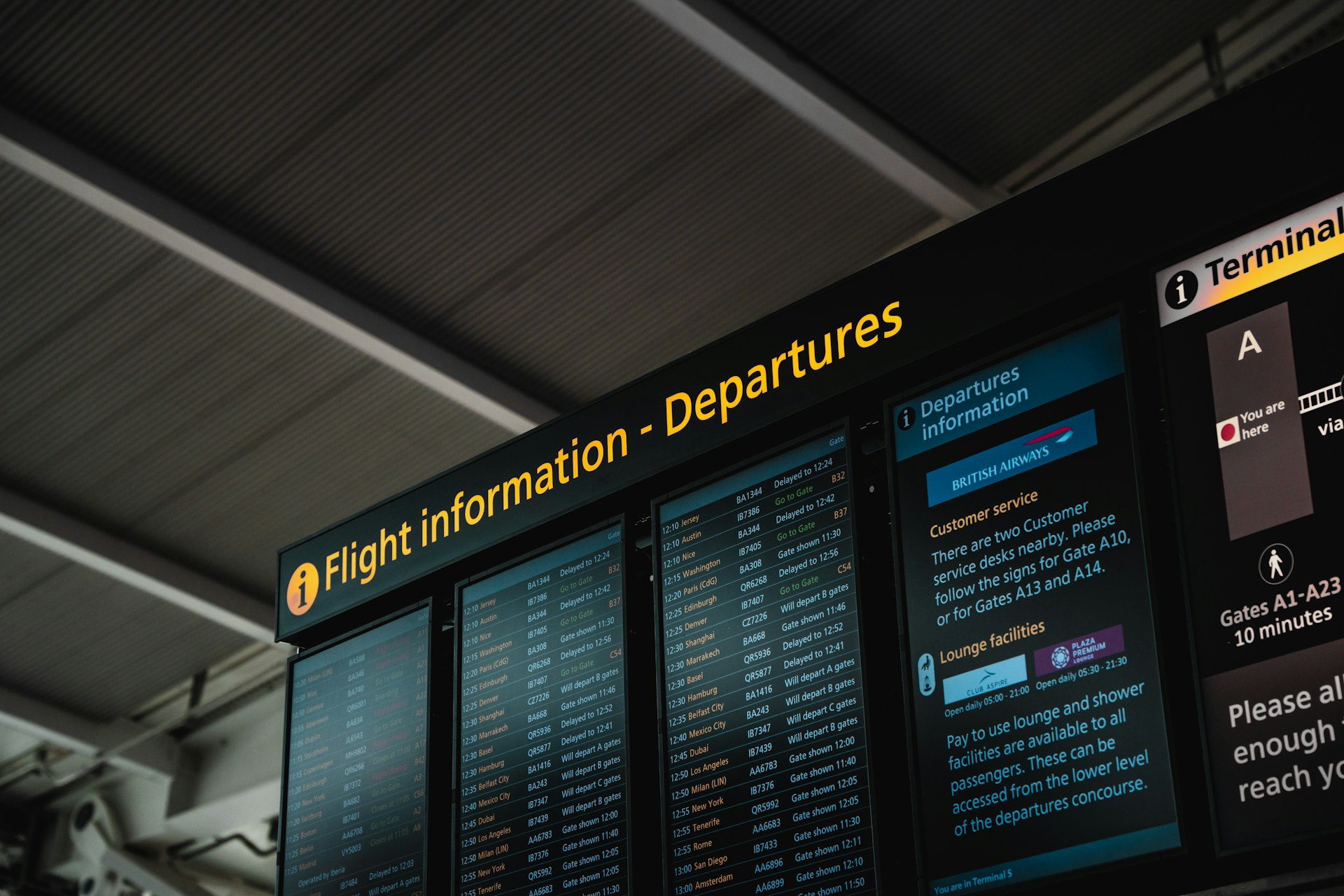
One of the main factors affecting flights to Dubai is the ongoing regional tensions in the Gulf. While Dubai itself is not directly involved in conflicts, its location in the region means airlines must remain cautious and account for the possibility of temporary airspace alerts or precautionary measures.
For example, when a threat is detected, even if it is later intercepted, aviation authorities may temporarily restrict flight paths over certain areas. This can lead to slight delays, rerouted flights, or, in rare cases, cancellations.
Airports in Dubai and across the UAE occasionally enforce heightened security measures, especially in times like these, when there are regional tensions or reports of potential threats in the Gulf. These measures are mostly preventative, but they are taken very seriously to ensure the safety of travellers and staff.
For example, when missile or drone activity is reported in nearby areas, even if Dubai itself is not directly targeted, aviation authorities may temporarily increase security checks or adjust flight paths.
These alerts can affect airport operations in several ways:
Such security alerts are often temporary, but they can have indirect effects on travel. Even if Dubai is stable and safe, travellers should be aware that their flights might be impacted by precautionary measures in response to nearby tensions.

While Dubai usually has dry, sunny weather, recent unusual weather patterns have had some impact on flights. In late March 2026, the UAE and neighbouring countries have been experiencing heavy rain, strong winds, dust storms and unstable weather that have disrupted travel across the region.
This severe weather has led to flight delays and cancellations at major airports, including Dubai International Airport and Abu Dhabi, as airlines adjust operations for safety. Stormy conditions have also caused delays at other Gulf hubs, with strong winds and rain affecting visibility and airport operations.
Even though Dubai’s climate is normally predictable, intense weather events like heavy rain or winds stronger than usual can make it harder for planes to take off and land safely. This has caused more frequent status changes for flights.
Technical issues, although rare, are another reason flights may be delayed or cancelled. These can include mechanical problems with the aircraft, maintenance requirements, or issues with airport systems such as air traffic control.
Airlines always prioritise safety over schedules, and even minor technical concerns can lead to delays while the problem is checked and resolved. In most cases, these delays are temporary, and flights depart once everything is confirmed safe.
Overall, most flights to and from Dubai are operating normally today. However, travellers should be aware that several factors can cause delays or cancellations. Regional tensions and heightened security measures, recent unusual weather events, and rare technical issues can all impact flight schedules.
If you are planning to travel, make sure to stay informed about your flight status, monitor local news, and keep travel insurance up to date.
We are a family of 4 - mother, father and two children. Our aim is to travel the world and review all travel opportunities to help other families.

If you want the latest information on the best Hotel Executive Club Lounges, Hotel Kids Clubs and other travel information, be sure to sign up for our free newsletter full of tips and great travel ideas.