REVIEWS OF HOTEL EXECUTIVE CLUB LOUNGES, KIDS CLUBS AND MORE.
Due to the ongoing tensions and conflicts in the Middle East, different countries around the world have issued travel warnings against travelling to Dubai. Some governments are keeping it light, advising travellers to be more careful, while others are giving stronger warnings.
For example, the United States currently says that travellers should “exercise increased caution” due to risks like terrorism and possible missile or drone attacks. The United Kingdom, on the other hand, advises against all but essential travel because of rising tensions in the region.
Countries like Australia and Canada have gone further, with warnings to avoid travel completely due to the unstable situation.
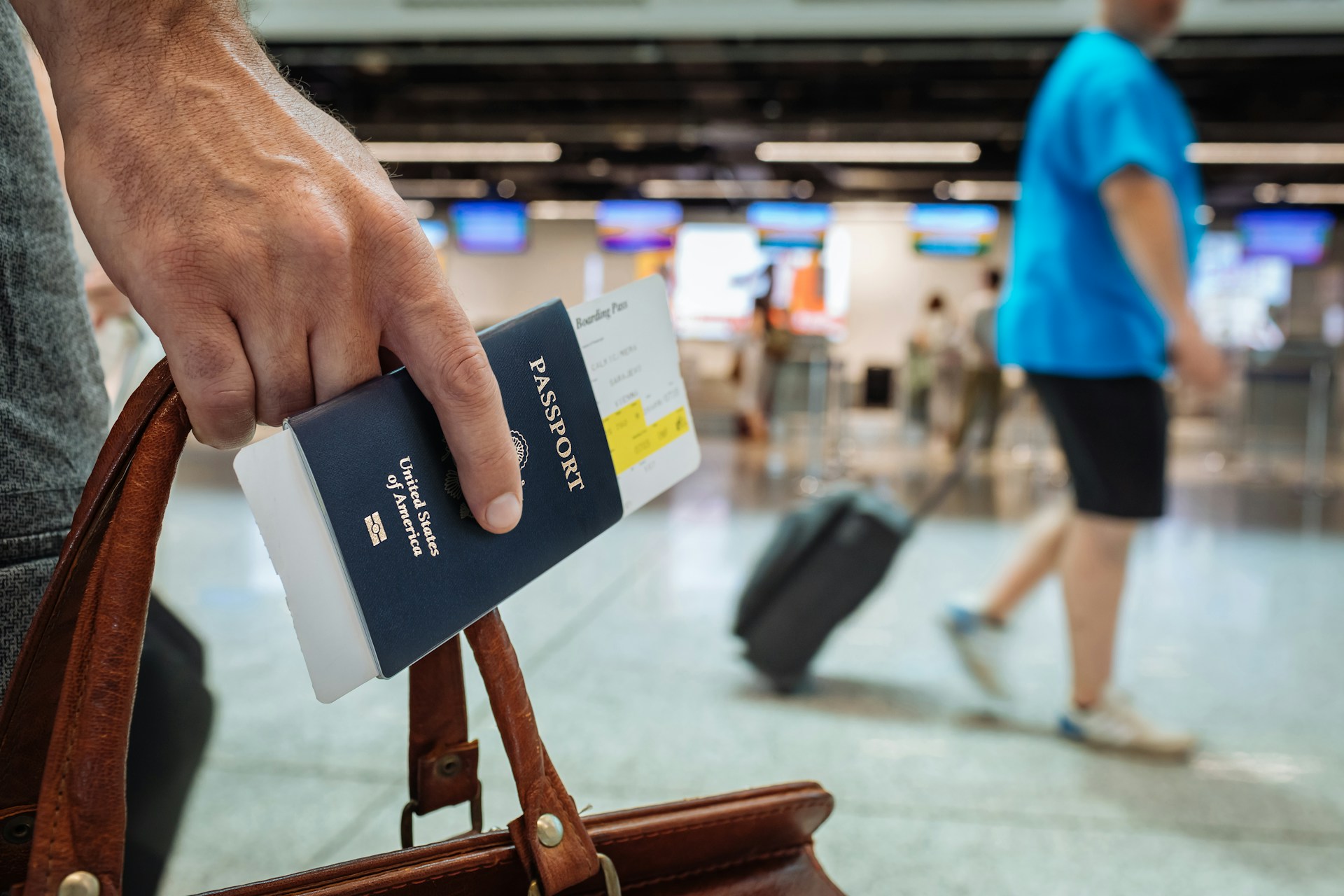
The biggest reason for the travel warnings is the ongoing conflict in the Middle East. There have been reports of missile and drone activity in the region, and in some cases, these have been intercepted near or within the UAE.
While Dubai itself has not been directly affected on the ground, the fact that these threats exist nearby is enough to raise concern. Governments around the world are watching the situation very closely because tensions between countries can change and escalate even further, quickly.
Even if everything feels calm and normal, things are not completely stable right now, and this is why many countries are advising their citizens to be careful or, in some cases, avoid travel altogether until things settle down.
Another reason for the warnings is how quickly the situation could change. One of the biggest risks is not what is happening now, but what could happen without much warning.
Security situations in conflict regions can escalate very fast, sometimes within hours or even minutes. This means that a place that feels completely safe today could face restrictions the next day.
Authorities have made it clear that travellers need to be prepared for sudden changes, such as being asked to stay indoors, follow emergency instructions, cancel or delay their flights, or adjust their plans at short notice.
This level of uncertainty makes it harder for governments to guarantee safety, which is why they are choosing to issue cautious travel advice.
Flight disruptions have become more common. Airlines sometimes need to change their routes to avoid certain airspaces, which can lead to delays, longer travel times, or even cancellations.
In some cases, flights have been suspended for safety reasons. This does not mean that all travel has stopped, but it does mean that plans are less predictable than usual. Travellers may find that their flights change at the last minute or that they need to make alternative arrangements.
This can make even a simple trip more stressful, which is another reason why travel warnings are in place.
This depends on your situation. You can still travel if your trip is essential, you are comfortable with some uncertainty, and if you can stay flexible. However, if your trip is purely for leisure and you do not want to deal with possible disruptions (like flight delays), you may want to wait.
For many people, the safest choice right now is to delay non-essential travel until things settle.
We are a family of 4 - mother, father and two children. Our aim is to travel the world and review all travel opportunities to help other families.

If you want the latest information on the best Hotel Executive Club Lounges, Hotel Kids Clubs and other travel information, be sure to sign up for our free newsletter full of tips and great travel ideas.