REVIEWS OF HOTEL EXECUTIVE CLUB LOUNGES, KIDS CLUBS AND MORE.
Over the last few years, the world has changed. Safety rules have been updated, many places have new health standards, and travel is no longer the same, especially for families with kids. Parents now pay more attention to the hygiene and safety of their children, and this includes water parks.
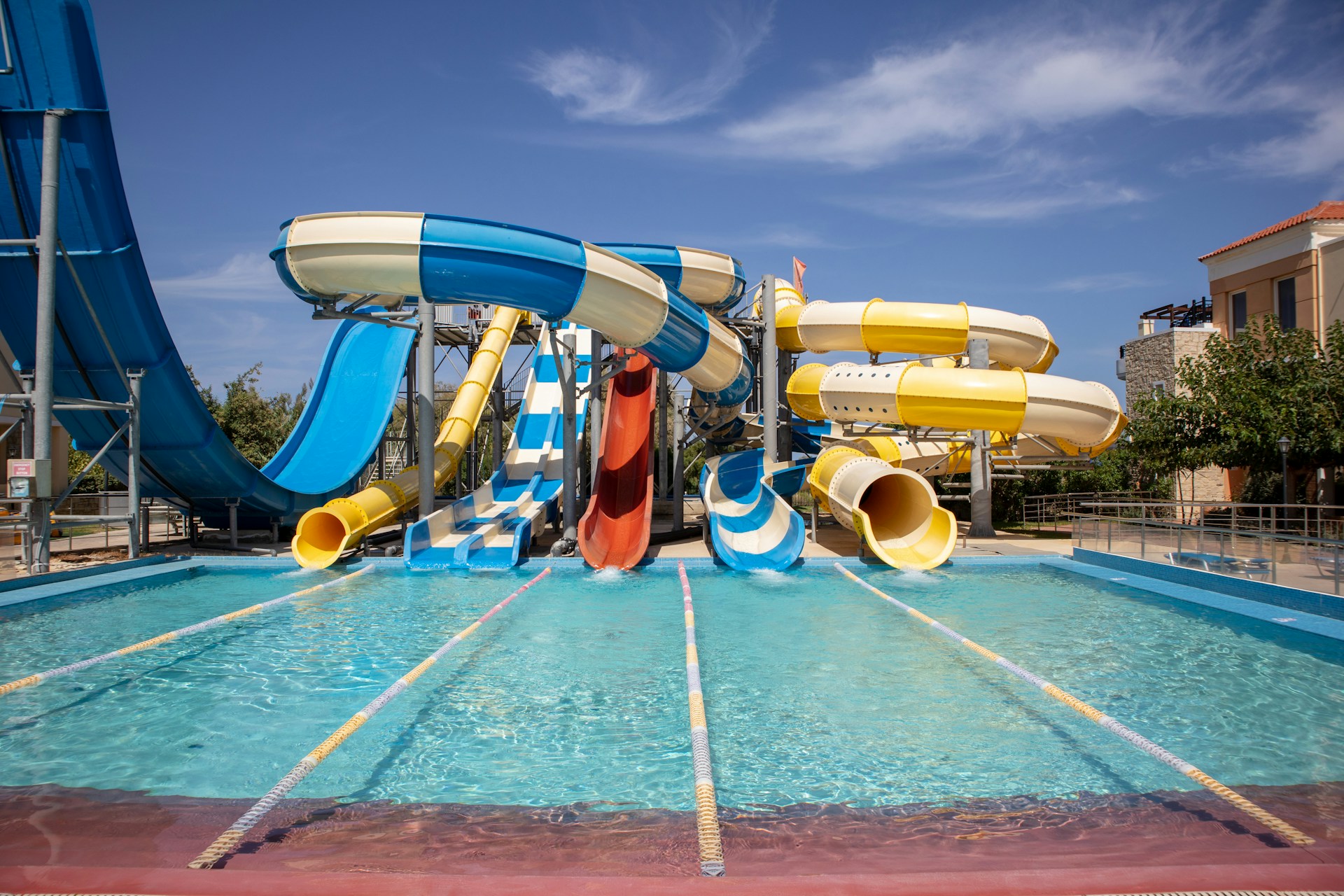
Waterparks have always been hugely popular with families. They are fun, exciting, and suitable for kids of all ages. But are they really safe for toddlers post-2025?
In this blog, we explore what waterparks are doing for child safety and how parents can enjoy waterparks without worry.

Many waterparks now use advanced filtration and treatment systems to make sure pools stay clean all day long. The water is constantly filtered, treated, and tested to reduce germs, bacteria, and other contaminants that could make toddlers sick.
The parks also monitor chlorine levels and pH balance, ensuring the water remains both safe and comfortable for kids to play in all day. Clean water systems mean better water quality, which also means that parents don’t have to worry.
Toddlers have very different needs from older children. That is why many parks now have areas designed just for them. These zones usually have very shallow water, gentle slides, soft flooring, and small splash areas.
They are built to help prevent accidents and keep play fun. Toddlers can splash, walk, or crawl around safely. Separating toddlers from bigger kids also reduces the risk of bumps, collisions, or rough play, making it safer for everyone.
Waterparks are required to always have trained lifeguards and staff, especially around toddler areas. Lifeguards are trained to notice even small problems quickly and respond immediately. They often supervise play areas, watch slides, and check pools regularly to ensure children are safe while still having fun. This means parents don’t have to feel anxious about something happening to their child. Help is always close if a toddler slips or needs assistance.
Safety rules in waterparks have improved a lot over the years, with enforced measures designed specifically for toddlers. For example, younger children are required to wear life jackets, pools have limits on the number of children at once, and slides may have height or age restrictions.
Many parks also have strict hygiene rules, like showering before entering the pools. With these rules, combined with supervision and better equipment, parents can trust that their toddlers can enjoy the water without unnecessary risk.
Even with all these improvements, parents should stay vigilant. Here are some tips:
No place is completely risk-free. There are still some common risks, such as slipping on wet surfaces, minor bumps, sunburn, or accidentally drinking pool water. The key is supervision and selecting parks that consistently enforce safety rules. And even so, no matter how attentive the staff seem to be, always keep an eye on your child.
Waterparks are still safe for toddlers, as long as the right precautions are taken. With improved water systems, highly trained lifeguards and staff, and toddler-specific zones, they continue to provide fun and secure experiences for everyone, including young children.
We are a family of 4 - mother, father and two children. Our aim is to travel the world and review all travel opportunities to help other families.

If you want the latest information on the best Hotel Executive Club Lounges, Hotel Kids Clubs and other travel information, be sure to sign up for our free newsletter full of tips and great travel ideas.