REVIEWS OF HOTEL EXECUTIVE CLUB LOUNGES, KIDS CLUBS AND MORE.
Recently, road trips have become very popular. They offer the freedom to explore at your own pace, stop whenever you like, and visit places you might otherwise miss. But like any other form of travel, they also require proper planning.
A safe road trip is not just about reaching your destination. It is also about making sure everyone stays comfortable and protected throughout the journey. Luckily, this doesn't have to be complicated.
A few simple precautions before and during your trip can reduce risks and help everyone enjoy the experience. Here are the most important things every family should know before setting off.
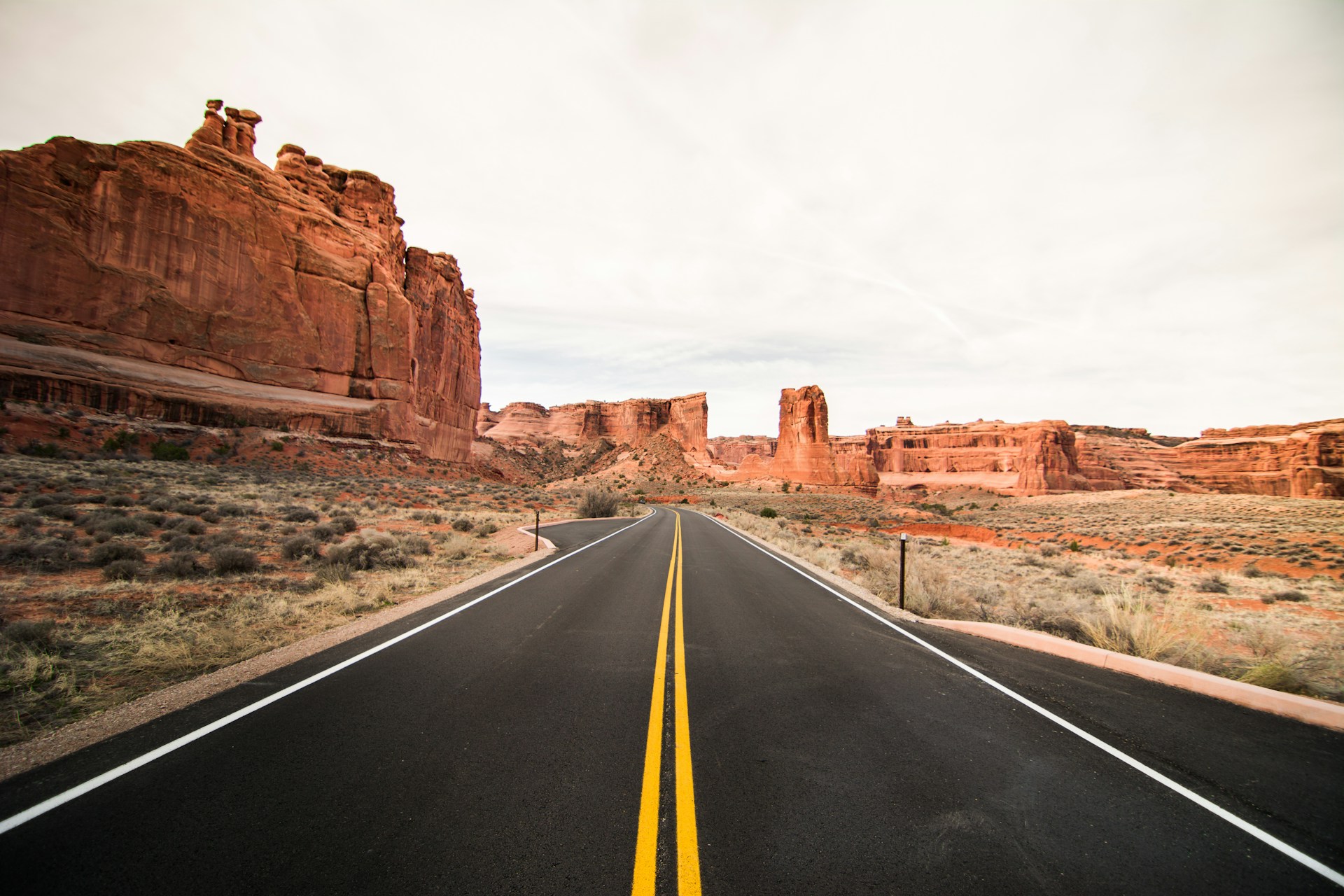
Before any long journey, make sure your vehicle is ready for the trip. Check that your tyres are properly inflated and have enough tread, all lights are working correctly, and important fluids such as engine oil, coolant, and windscreen washer fluid are at the correct levels.
If your vehicle is due for a service or you have noticed any mechanical problems, have them checked before you leave. This will help reduce the risk of breaking down during a holiday, which can be stressful. Many problems can be prevented with a simple inspection beforehand.
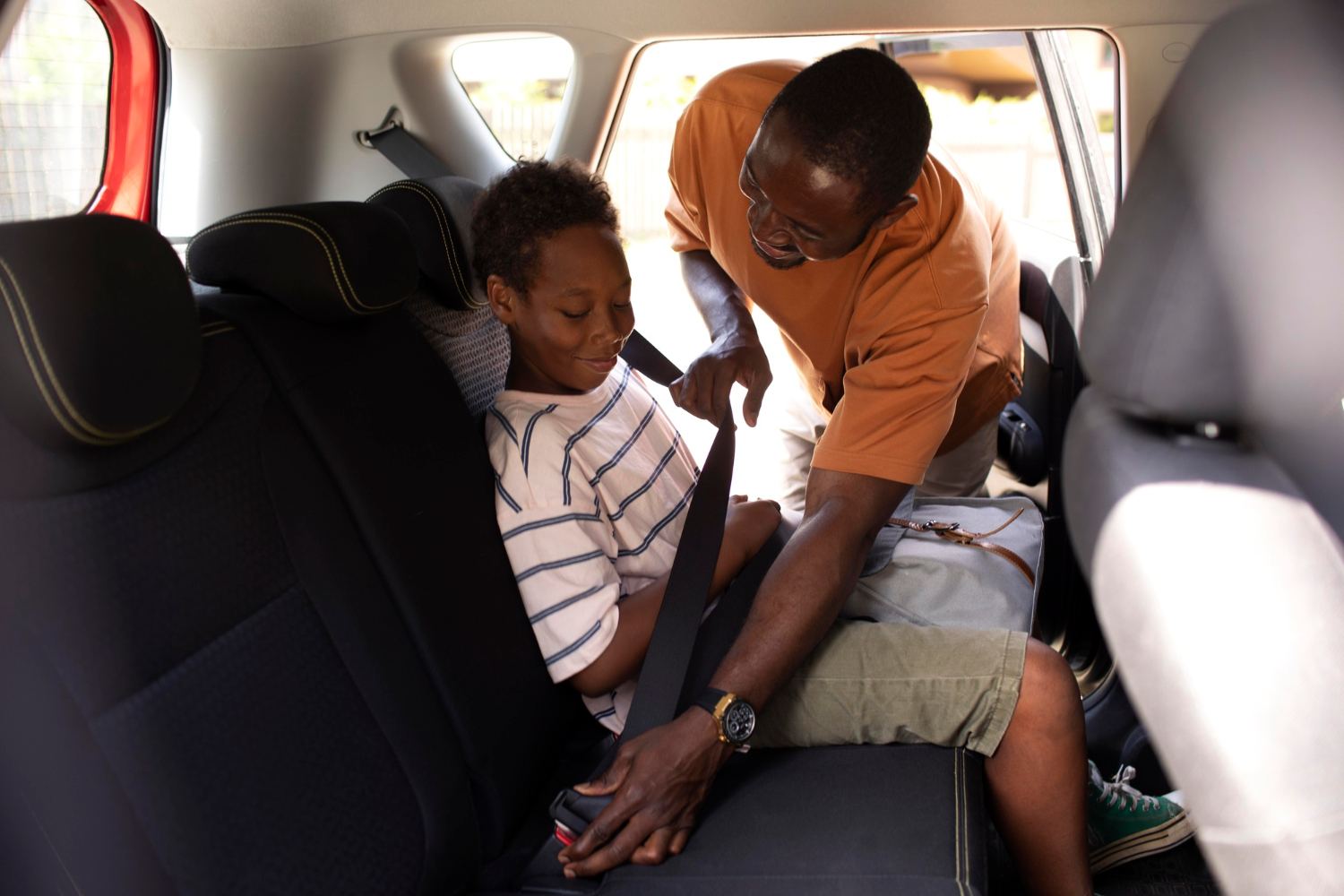
Seat belts save lives, and every passenger should wear one throughout the journey. Young children should travel in the correct child car seat or booster seat for their age, height, and weight, in accordance with the laws of the country where you are driving. Adults must also wear their seat belts properly.
Before leaving, take a few moments to check that every seat belt and child seat is fitted correctly. It only takes a minute, but it is one of the most important safety checks.
Planning your trip beforehand makes travelling much less stressful. Take a little time to plan your route, identify places to stop for fuel, meals, and toilet breaks, and check whether there are any road closures or major delays expected.
If you are driving in another country, familiarise yourself with local road rules, speed limits, toll roads, and any equipment you may legally need to carry in your vehicle. A little planning can help you avoid unnecessary surprises.
Even if you are only stopping briefly, children should never be left alone inside a parked vehicle. Cars can heat up extremely quickly, even on mild days, creating dangerous conditions within minutes.
Whenever you stop, make sure children leave the vehicle with you unless another responsible adult remains with them.
Road conditions can change quickly during a journey. Heavy rain, fog, strong winds, roadworks, or heavy holiday traffic may all require you to adjust your driving. Keep an eye on weather forecasts before setting off each day and be prepared to slow down or change your plans if conditions become unsafe. Being flexible is part of travelling safely.
Long hours behind the wheel can be exhausting. Even experienced drivers lose concentration when they are tired. Plan regular breaks throughout the journey and don't continue driving if you begin to feel sleepy.
If another licensed driver is travelling with you, share the driving whenever possible. Remember, arriving safely is always more important than arriving quickly.
Road trips can be one of the best travels, but they require thoughtful planning and sensible decision-making along the way. Make sure your vehicle is roadworthy, use the correct child restraints, plan regular breaks, prepare for changing conditions, and stay focused while driving.
Also, remember that safety comes first, even before your schedule. If traffic is heavier than expected, the weather becomes poor, or someone simply needs a longer break, don't be afraid to adjust your plans. All of these help create a safer journey.
We are a family of 4 - mother, father and two children. Our aim is to travel the world and review all travel opportunities to help other families.

If you want the latest information on the best Hotel Executive Club Lounges, Hotel Kids Clubs and other travel information, be sure to sign up for our free newsletter full of tips and great travel ideas.