REVIEWS OF HOTEL EXECUTIVE CLUB LOUNGES, KIDS CLUBS AND MORE.
Airline pricing for children depends on the airline, route, and the child's age. Generally, infants under 2 years old often have different pricing because they may not need their own seats and can travel on a parent's lap.
Children aged 2 to 12 usually need their own seat and may get discounted prices, depending on the airline, while teenagers are usually charged adult fares. Unlike hotels, where children may sometimes stay or eat for free, airlines need to account for every passenger occupying a seat because every seat represents limited space on the aircraft.
Airlines are not specifically charging more because a passenger is a child. Children usually pay the same fare as adults on most commercial flights, especially for children over the age of two.
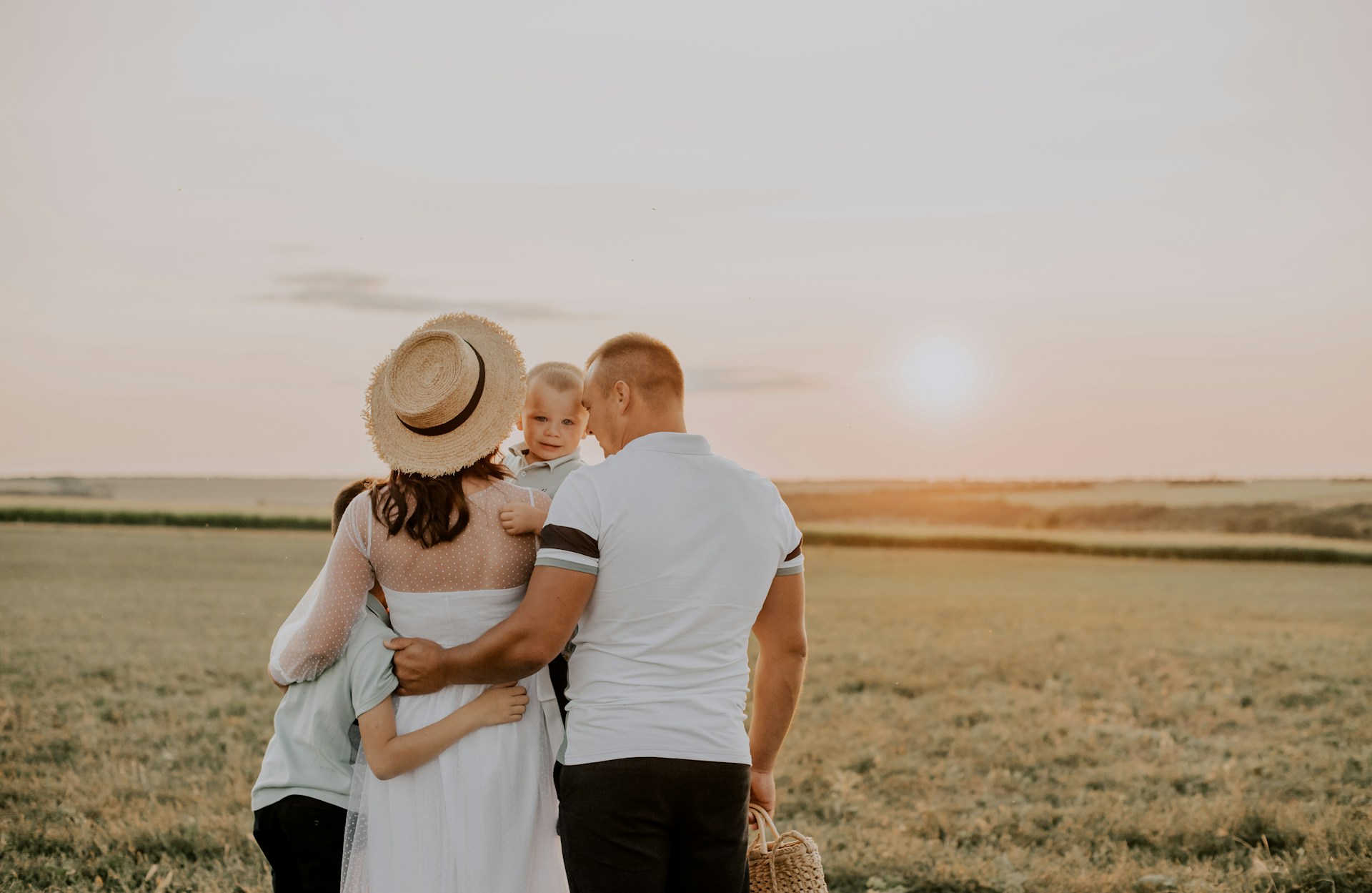
Family travel mostly feels more expensive because families need more tickets. A price increase that seems small for one person can become significant when multiplied across several travellers.
For example, a £50 increase per ticket may not feel dramatic for one traveller, but for a family of four, that becomes an extra £200, and for larger families, the difference can be even greater.
This is why families often notice price increases more than solo travellers or couples.
Several factors can increase the final cost of a family flight. Some of these factors include:
Many airlines now charge extra if passengers want to choose specific seats. For families, this can become a high additional cost because parents often prefer to sit together, especially with younger children.
Depending on the airline and ticket type, choosing seats for the whole family can add a noticeable amount to the total fare.
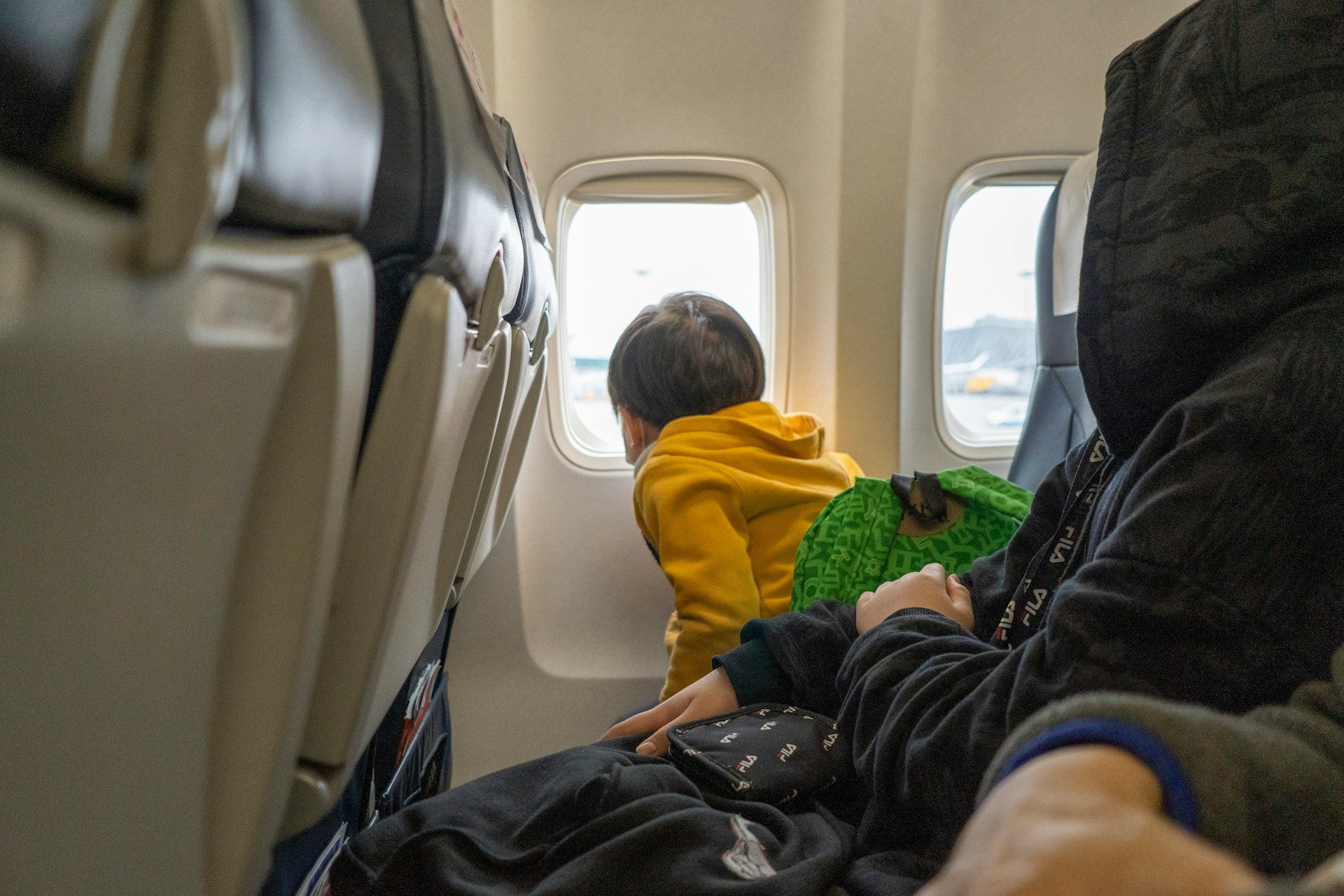
Airlines usually sell tickets in different price categories. A flight may start with cheaper seats, but once those sell out, the remaining tickets become more expensive. Families often need several seats together, meaning they may have to book when fewer cheaper options are available.
Travelling with children often means bringing more luggage. You may need to check more bags, strollers or pushchairs, car seats, additional cabin bags, and more. Some airlines include baggage in the ticket price, while others charge separately.
These extras can make a flight seem much more expensive than the base fare, even though they may be useful and necessary for more convenience and peace of mind.
Families sometimes choose more flexible tickets because travel plans can change, especially when travelling with children. For example, a family holiday may involve school schedules, illness, delayed plans, or the need to adjust return dates, so parents often look for tickets that offer a little more freedom.
Options such as free changes, refundable tickets, and priority services are usually a bit more pricy, and so they can all increase the overall cost.
Airlines are generally not charging extra for children. The reason family flights feel more expensive is that parents are buying multiple tickets during the busiest travel period of the year.
Peak summer demand, fewer cheaper seats available, baggage costs, and optional extras such as seat selection can quickly increase the total price of a family holiday. However, with a little more careful planning, such as booking early, staying flexible with dates, comparing options, and looking beyond the initial ticket price, you can still reduce costs.
We are a family of 4 - mother, father and two children. Our aim is to travel the world and review all travel opportunities to help other families.

If you want the latest information on the best Hotel Executive Club Lounges, Hotel Kids Clubs and other travel information, be sure to sign up for our free newsletter full of tips and great travel ideas.