REVIEWS OF HOTEL EXECUTIVE CLUB LOUNGES, KIDS CLUBS AND MORE.
Heatwaves have become more common across many parts of Europe, especially during July and August, so some countries now issue official heat warnings when temperatures become dangerously high.
While these warnings don't necessarily mean you should cancel your trip, they do mean more careful planning and preparation, especially if you are travelling with babies or young children.
In this blog, we will look at why heat warnings are becoming more common, family destinations that most commonly experience extreme heat warnings, and places that are a much better option.
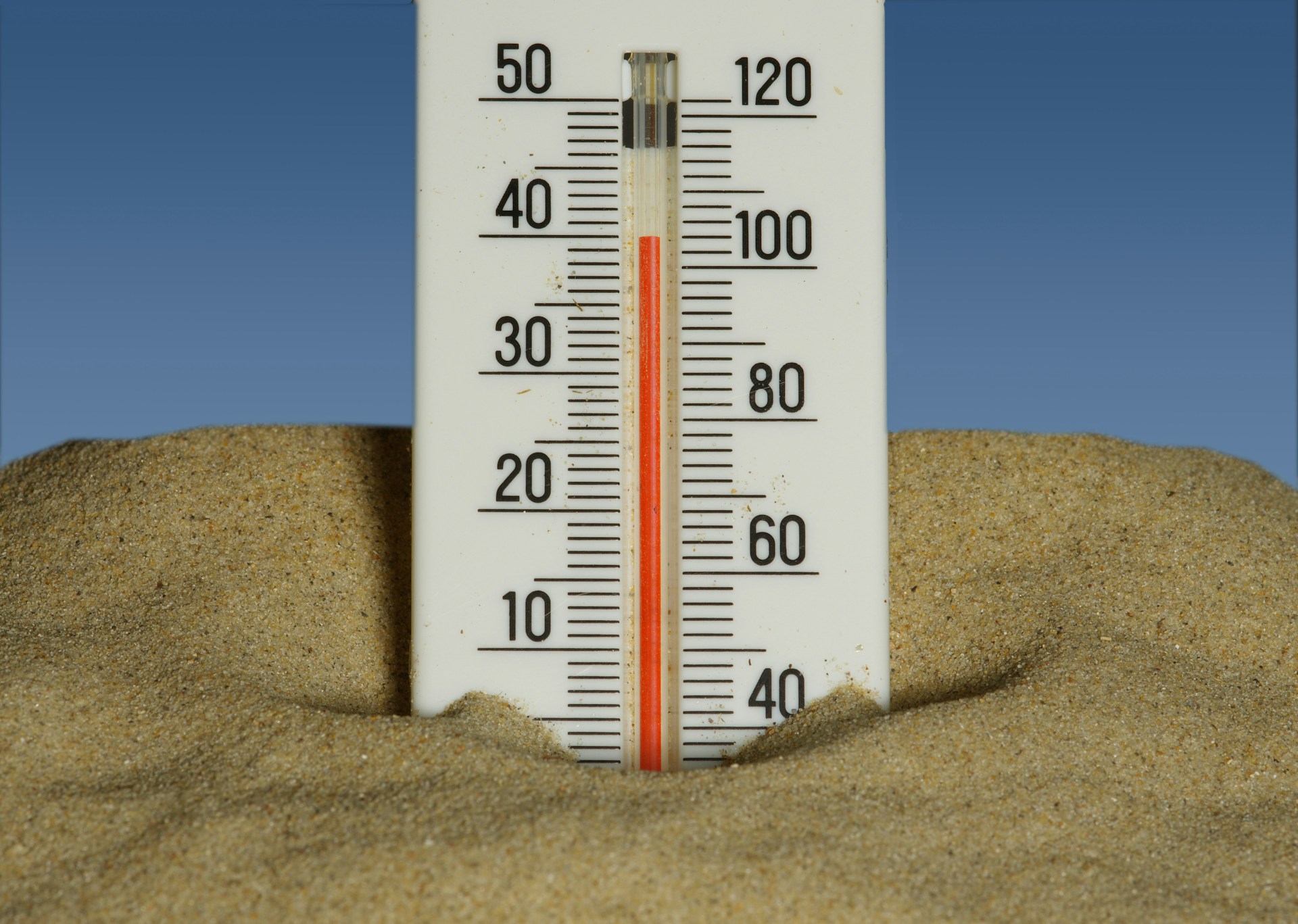
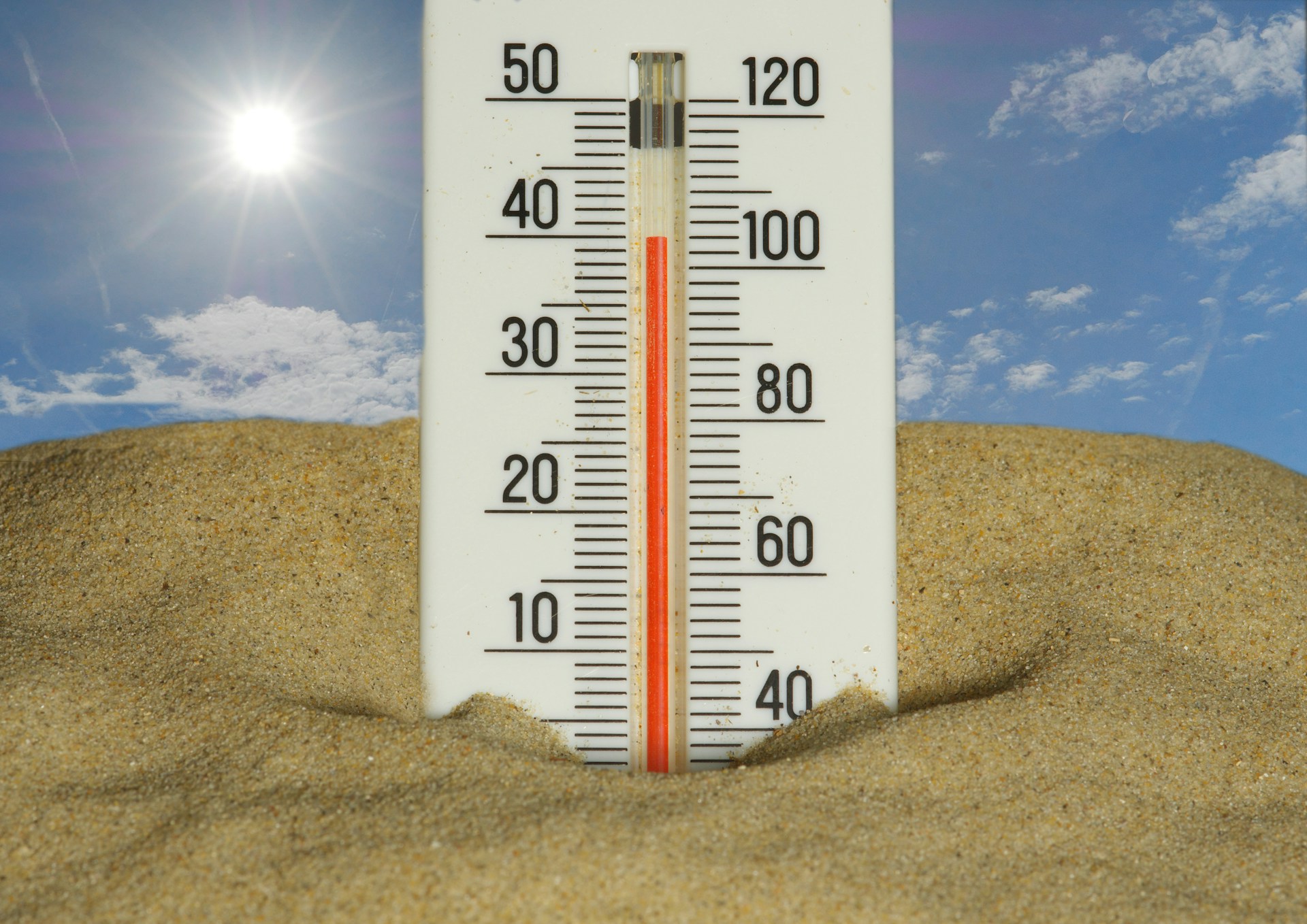
An extreme heat warning is an alert issued by weather or public health authorities when temperatures are expected to become unusually high and could pose a risk to people's health. These warnings may be based on daytime temperatures, overnight temperatures, humidity levels, or how long the hot weather is expected to last.
Generally, the purpose of these alerts is to remind people to stay hydrated, avoid unnecessary time outdoors during the hottest part of the day, and take extra care of the vulnerable, such as young children, the elderly, or people with certain health conditions.
Europe has experienced some of its hottest summers on record in recent years, with heatwaves becoming more frequent, lasting longer, and reaching higher temperatures than in the past.
This has led many countries to improve their heat warning systems so residents and visitors receive advance notice before temperatures become dangerous. If you are travelling to any country known for extreme heat warnings, it is crucial that you always check the local weather forecast before and during your holiday.
Spain is one of the European countries reported to experience extreme heat warnings during summer. Popular family destinations such as Madrid, Seville, Córdoba, Valencia, Málaga, and Alicante regularly see temperatures above 35°C during July and August, while inland cities are usually even much hotter.
You can still enjoy these parts of Europe, but you might need to be strategic. For example, you might find early morning sightseeing and afternoon beach breaks to be much more comfortable than walking around cities in the middle of the day.
Italy is another country where extreme heat warnings are common during peak summer. Cities such as Rome, Florence, Naples, Bologna, and Palermo often experience temperatures well above 35°C during heatwaves, with historic city centres experiencing even hotter temperatures because of the stone buildings and narrow streets, which tend to trap heat more throughout the day.
Coastal destinations may be a bit more comfortable from sea breezes, but they are not entirely immune to extreme heat. It is advisable to plan indoor activities during the hottest afternoon hours whenever possible.
Just like in Italy and Spain, France, especially Southern France, is another popular destination where heatwaves have become more common. Places like Marseille, Nice, Montpellier, and areas across Provence often experience official heat alerts during the hottest periods.
Even Paris occasionally experiences heatwaves, although temperatures there are usually lower than in southern France.
If you are worried about extreme heat, there are plenty of excellent alternatives. Countries such as Norway, Sweden, Finland, and Scotland in Northern Europe generally experience much more comfortable temperatures, even during summer. Mountain destinations like the Swiss and French Alps are also better options.
We are a family of 4 - mother, father and two children. Our aim is to travel the world and review all travel opportunities to help other families.

If you want the latest information on the best Hotel Executive Club Lounges, Hotel Kids Clubs and other travel information, be sure to sign up for our free newsletter full of tips and great travel ideas.