REVIEWS OF HOTEL EXECUTIVE CLUB LOUNGES, KIDS CLUBS AND MORE.
If you are planning a holiday during the summer, you have probably seen news stories about heatwaves across Europe and other popular travel destinations. Temperatures have reached record highs in recent years, leading many countries to issue official heat alerts to help protect both residents and visitors.
If you are travelling with children, older family members, or someone with some health conditions, it becomes even more concerning, as they are more vulnerable, making it even more crucial to understand what these alerts mean and which destinations are most likely to issue them.
Take a look at some of the countries that commonly issue extreme heat alerts, whether you should cancel your trip, and what you should do if a heat alert is in place during your holiday.
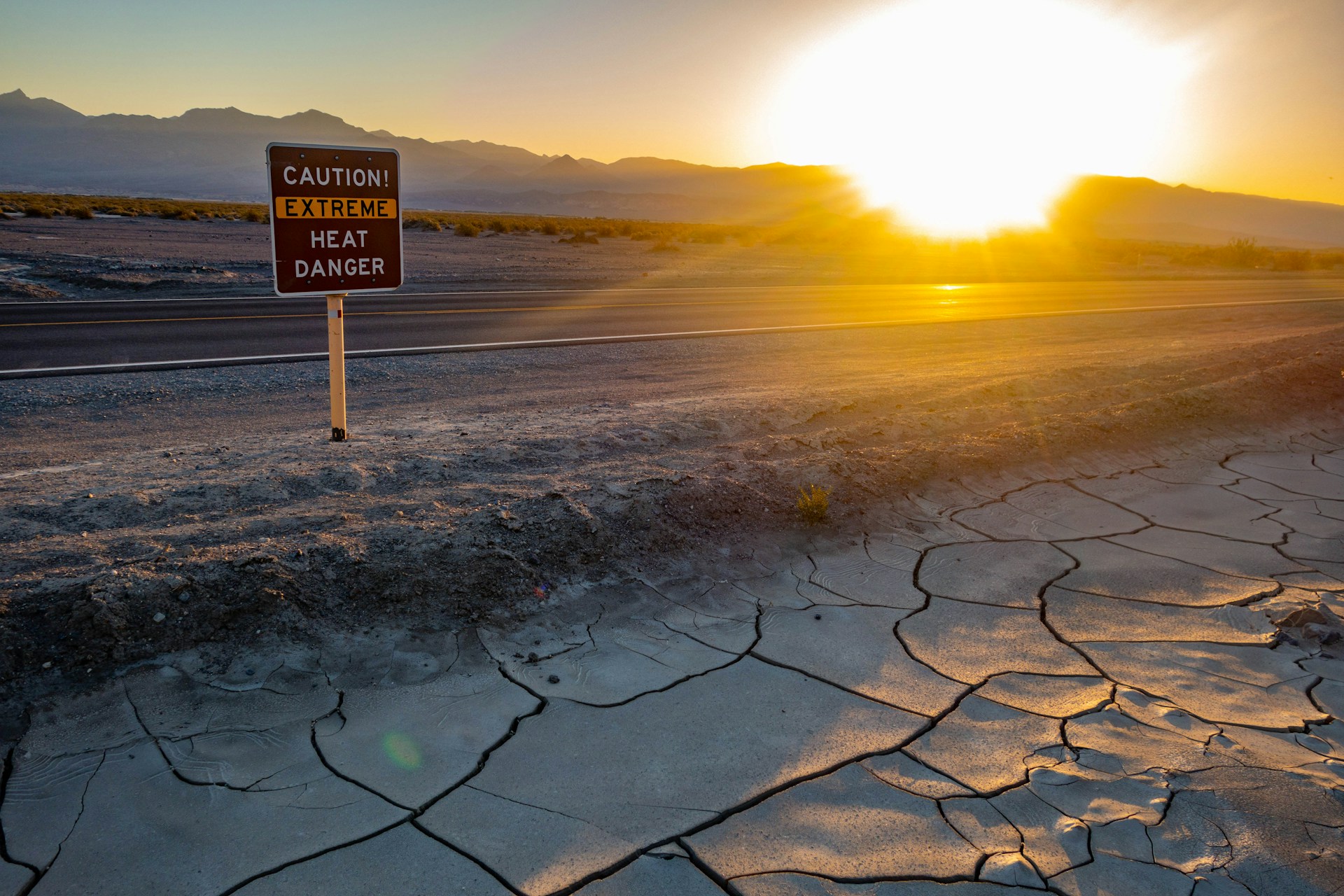
A heat alert is an official warning issued by a country's weather or public health authorities when temperatures are expected to become unusually high and could pose a risk to people's health.
Different countries use different warning systems. Some use colour-coded systems, while others issue public health advisories or emergency weather alerts. The exact system varies, but the goal is always the same, which is to encourage people to take extra precautions during periods of extreme heat.
Heat alerts are not designed to discourage travel. Instead, they help residents and visitors prepare for the weather and reduce the risk of heat-related health issues.
Many European countries now issue official heat alerts during the summer, particularly between June and August. Countries that have been reported to issue heat warnings often include:
These countries often experience temperatures above 35°C during heatwaves, with some inland areas occasionally exceeding 40°C. Heat alerts are usually accompanied by public advice such as staying hydrated, avoiding outdoor activities during the hottest part of the day, and checking on vulnerable people.
Many parts of the United States regularly issue heat advisories or extreme heat warnings during the summer. States, especially in the south and southwest, including Arizona, Nevada, Texas, and parts of California, frequently experience temperatures well above 40°C.
Popular tourist destinations such as Las Vegas, Phoenix, and parts of Florida also issue heat-related alerts during periods of exceptionally hot weather.
Receiving a heat alert doesn't mean your holiday is cancelled. Most attractions, hotels, restaurants, and transport services continue operating normally. Most heat alerts are just precautionary and designed to help people stay safe.
Instead, you might need to adapt your plans by starting activities earlier in the day, taking long indoor breaks during the afternoon, and wearing weather-appropriate clothing. These small adjustments can make your trip more comfortable.
However, you may want to review your plans if:
In these situations, it may be worth adjusting your itinerary or considering different travel dates if your plans are flexible.
If a heat alert is issued while you are travelling:
We are a family of 4 - mother, father and two children. Our aim is to travel the world and review all travel opportunities to help other families.

If you want the latest information on the best Hotel Executive Club Lounges, Hotel Kids Clubs and other travel information, be sure to sign up for our free newsletter full of tips and great travel ideas.